
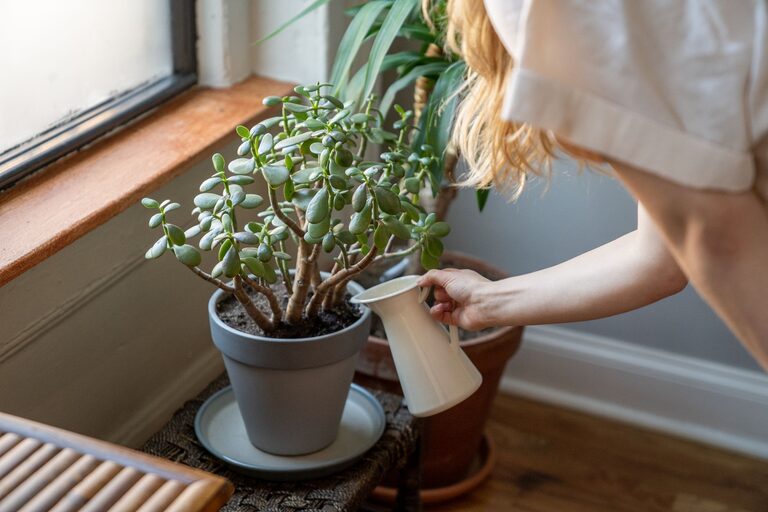
Bringing houseplants into your home adds beauty, improves air quality, and creates a calming atmosphere. However, keeping them healthy requires some attention and care. Whether you are a beginner or an experienced plant lover, understanding your plants’ needs helps them thrive. Here are essential tips to keep your houseplants happy and healthy.
Understanding Your Houseplants’ Needs
Each plant species has unique requirements, so the first step is to learn about the specific needs of your plants. This includes light, water, soil type, humidity, and temperature preferences. Reading the care label or doing a quick online search can give you a good start.
Light Requirements
Plants generally require light for photosynthesis, but the amount and type of light vary:
– Bright, Direct Light: Succulents, cacti, and some flowering plants do well near sunny windows.
– Indirect Light: Many tropical plants, like pothos or peace lilies, prefer filtered or indirect light to avoid leaf burn.
– Low Light: Some plants, such as snake plants and ZZ plants, tolerate lower light conditions.
Understanding where to place your plants in your home based on their light needs is vital.
Watering Your Houseplants Correctly
Watering is often the trickiest part of plant care. Overwatering is a common mistake and can cause root rot.
Tips for Proper Watering
– Check soil moisture before watering. Insert your finger about an inch into the soil; if it feels dry, it’s time to water.
– Use room-temperature water to avoid shocking the roots.
– Ensure pots have drainage holes to prevent water from sitting at the bottom.
– Adjust watering frequency based on seasons; plants usually need less water in winter.
Choosing the Right Soil and Pot
Good soil and the right container promote healthy root growth.
Soil
Use potting mixes appropriate for your plant type. Succulents and cacti need well-draining mixes, while tropical plants benefit from moisture-retentive soil.
Pots
– Choose pots with drainage holes.
– Consider the pot size – too large can hold excess moisture; too small restricts root growth.
– Materials like terracotta are porous and allow the soil to dry out faster, while plastic pots retain moisture longer.
Providing Proper Humidity and Temperature
Many houseplants thrive in humidity levels similar to their native environments.
– Tropical plants appreciate humidity — misting the leaves or using a humidifier can help.
– Avoid placing plants near heat sources, air conditioners, or drafty windows.
– Maintain an indoor temperature between 65°F and 75°F (18°C–24°C) for most houseplants.
Fertilizing Your Houseplants
Plants need nutrients to grow well, but too much fertilizer can harm them.
– Use a balanced, water-soluble fertilizer during the growing season (spring and summer).
– Follow the package instructions carefully.
– Reduce or stop fertilizing during autumn and winter when many plants rest.
Regular Maintenance and Monitoring
Keeping an eye on your plants lets you catch any issues early.
Pruning and Cleaning
– Remove dead or yellowing leaves to promote new growth.
– Trim leggy stems to encourage bushier growth.
– Clean dust off leaves using a damp cloth to improve photosynthesis.
Pest Control
Common pests include spider mites, aphids, and scale.
– Inspect plants regularly for signs of pests.
– Use natural remedies like insecticidal soap or neem oil if needed.
– Quarantine new plants before introducing them to your collection to prevent spreading pests.
Repotting When Necessary
Plants eventually outgrow their pots or soil quality declines.
– Signs you need to repot: roots growing out of drainage holes, slow growth, or soil that dries out too quickly.
– Choose a pot one size larger and refresh the soil.
– Repot during the active growing season to reduce stress.
Creating a Plant-Friendly Environment
– Rotate plants periodically to ensure even growth.
– Group plants together to create a micro-habitat with higher humidity.
– Use plant stands or shelves to optimize space and light exposure.
Final Thoughts
Caring for houseplants is a rewarding experience that connects you with nature. Consistent attention to their needs, combined with a bit of patience, will help your plants flourish. By following these tips, you can enjoy healthy, vibrant greenery that brightens your living space for years to come. Happy planting!